personal items in a travel bag

Know Before You Go

Not all countries use the same electrical outlets or power standards - using the wrong tool can lead to damage, or it won’t work at all.

graphic that says "Did You Know"" in colorful blocks

Before selecting your styling tool rental, it’s important to understand the plug type and voltage used in the country you’re visiting.

Why This Matters

  • Plug Shape: Different countries use different prong shapes (Type A, B, C, G, etc.), and your tool needs to match the outlet.

  • Voltage Compatibility: Countries typically use either 110–120V or 220–240V power. Using a tool that isn’t compatible can short it out or prevent it from heating properly.

  • Your Safety: Using incompatible tools can be unsafe and damage the equipment.

What You Should Do

  • Check the country you’re visiting. A quick Google search can provide you with the typical plug type and voltage for the country you are visiting.

  • Contact your hotel. You can reach out to the concierge and ask about the specific plug type and voltage. This is useful when you see that a country may have many plug types.

  • Still unsure? Our AI concierge, located in the bottom right corner, can provide additional information regarding plug types and our tool selection. You can also reach out to us directly by clicking here.

Photo by Brooke Cagle on Unsplash

Plug Types

There are 15 plug types used around the world, but most travelers will regularly run into just a handful. At Rentress, we keep it simple and focus on the plug types we carry—A, B, C, and G—since these cover many of the most popular destinations. Before you pack, match your destination’s outlet style to your device (or adapter) so you can plug in easily and avoid damaging your electronics.

Type A Plug
Type B Plug
Type C Plug
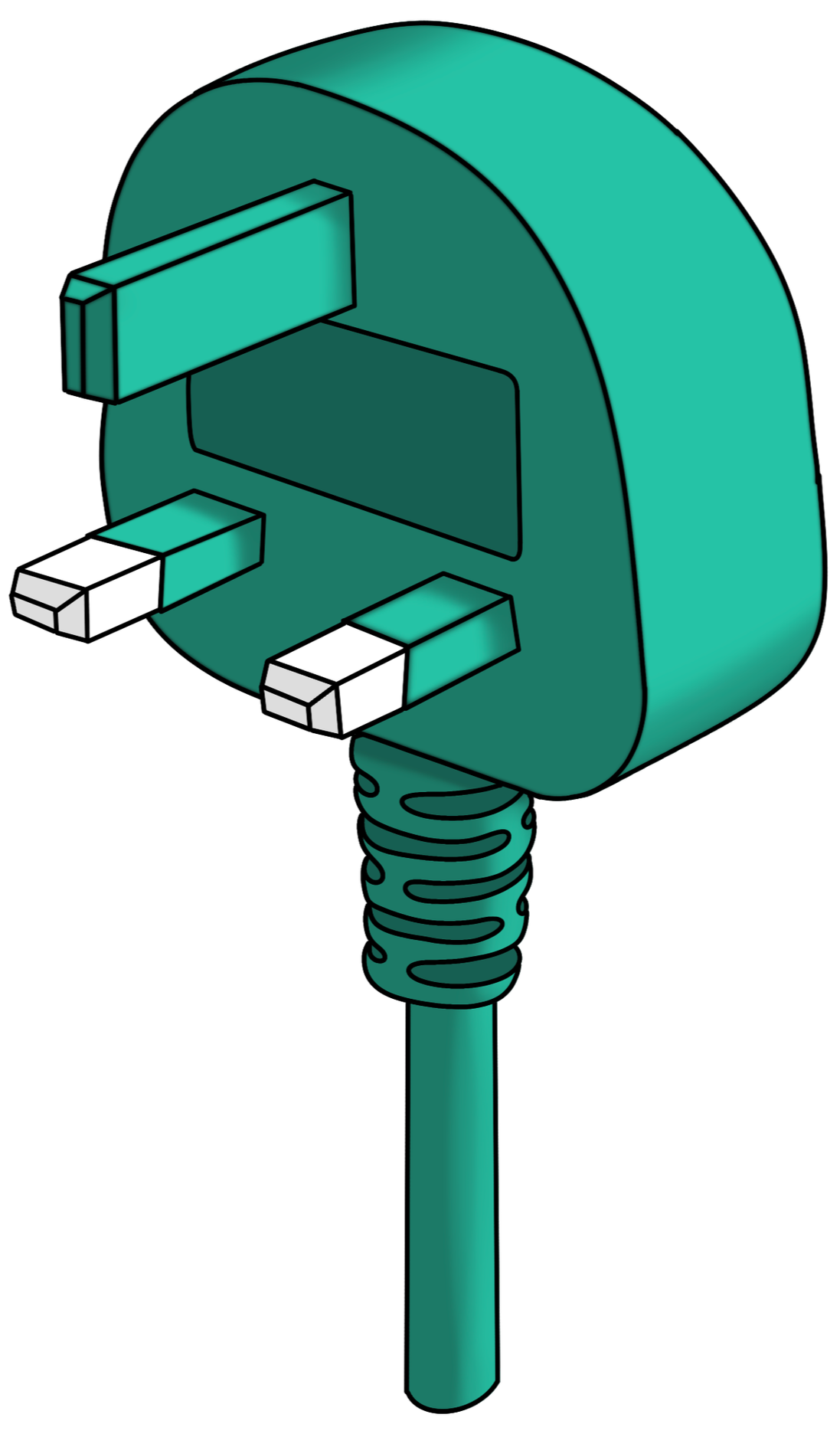
Type G Plug

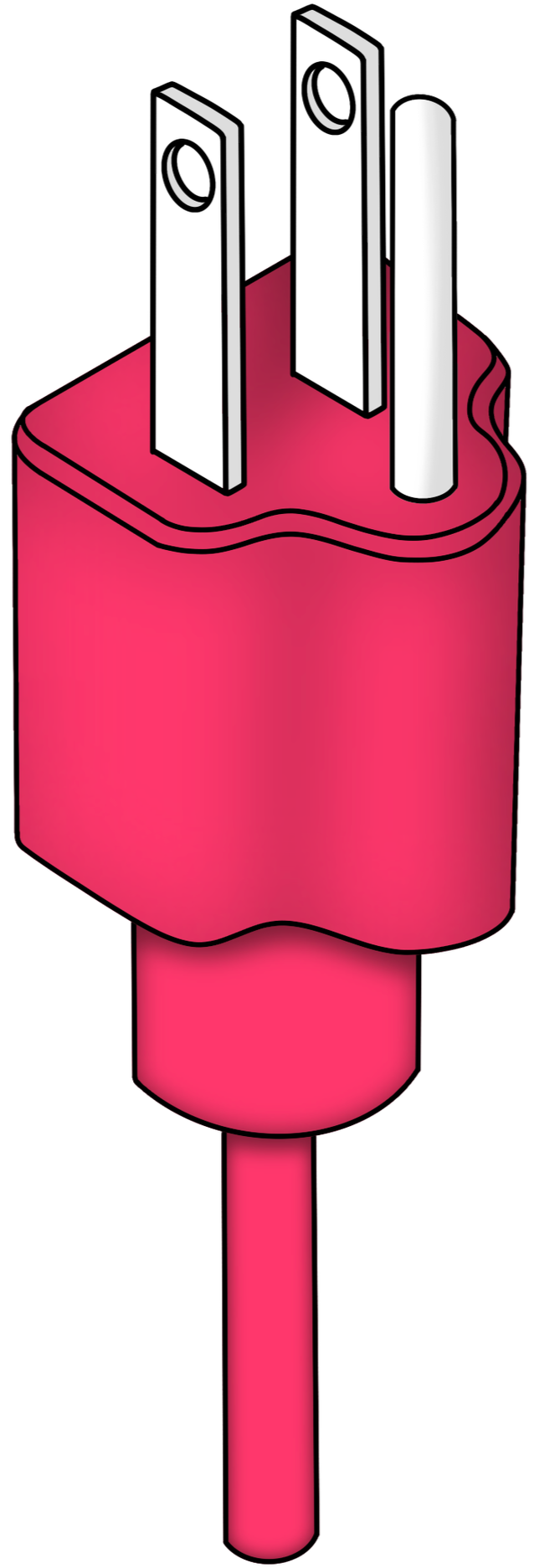
Type B Plug looks similar but adds a third round grounding prong (also common in the U.S., Canada, and Mexico). 

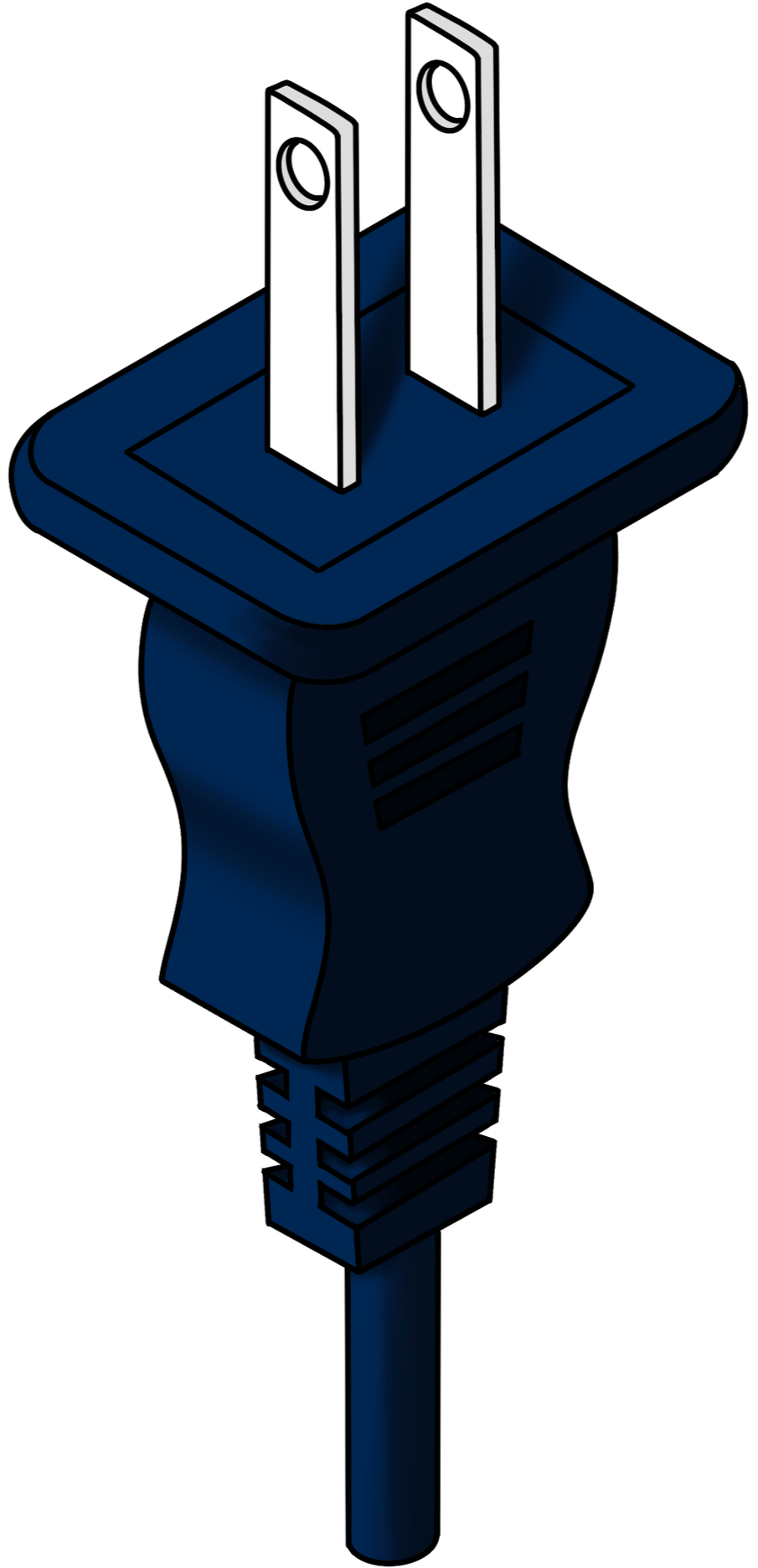
Type A Plug has two flat parallel prongs and is common in places like the U.S. and Japan.

If your destination uses one of these, you’re in great shape with the plug options we offer—just remember: plug shape and voltage are two separate checks, and both matter for a smooth “ready-for-takeoff” hair day.

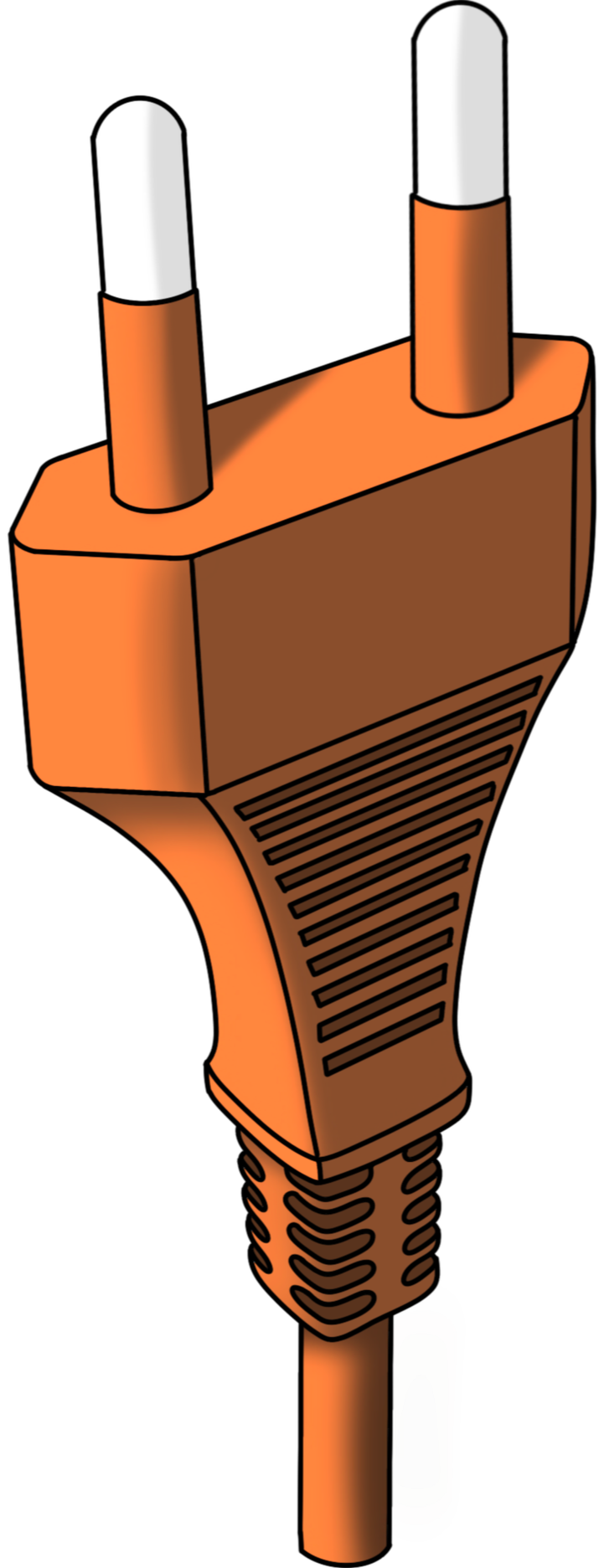
Type C Plug has two round prongs and is widely used across much of Europe (and many other regions). 

Type G Plug Type G has three rectangular prongs and is used in the U.K. and Ireland (and in several other countries).

Voltage Types

Voltage is the other half of the power puzzle (and it’s the one that can actually fry your electronics if you ignore it). Most countries run on either 110–120V (common in the U.S., Canada, and parts of the Caribbean) or 220–240V (common across much of Europe, the U.K., Asia, Africa, and Australia). An adapter only changes the shape of your plug so it fits the outlet — it does not change the voltage.

To stay safe, check your electronic’s label (usually on the device or near the cord) for the voltage range. If it says “100–240V” (sometimes written as “110–240V”), it’s typically dual voltage and will work internationally with the right plug/adapter. If it only lists “120V” (or only “220–240V”), it’s single voltage — and you’ll need a voltage converter/transformer to use it in a country with a different voltage.

We have hair dryers, curling irons/wands, and flat irons designed to work around the globe, so you can rest assured that renting from Rentress is a great choice!

Icons made by Freepik from www.flaticon.com'